Most therapists set a massage table between 24 and 34 inches high for optimal comfort and control.
I have adjusted hundreds of tables in clinics and at events. I know the ergonomic needs of therapists and clients. This guide explains what height should a massage table be, why it matters, and how to choose the best height for your body, your clients, and your techniques. Read on for practical tips, clear measurements, and real-world advice you can use today.
Why table height matters
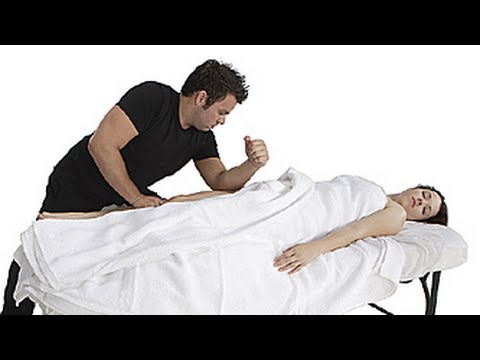
Table height affects therapist posture. It changes reach, hand pressure, and energy use. Poor height causes back and shoulder pain. Choosing the right height keeps your hands strong and your body safe.
What height should a massage table be ties directly to comfort for both therapist and client. Small changes can cut fatigue and improve technique. I often saw therapists reduce discomfort by adjusting height five inches or less.
Source: youtube.com
Standard heights and ranges
Most portable and stationary tables use a common range. Typical fixed and adjustable tables cover these heights.
- 24 to 26 inches — common for shorter therapists and low-pressure work.
- 27 to 30 inches — a mid-range that fits many therapists and is widely recommended.
- 31 to 34 inches — suits taller therapists and those who use leaning or body-weight techniques.
What height should a massage table be varies by practice and body size. Industry designs aim to cover this range so therapists can find a good fit.
Source: makethemostofmassage.com
How to choose based on therapist height
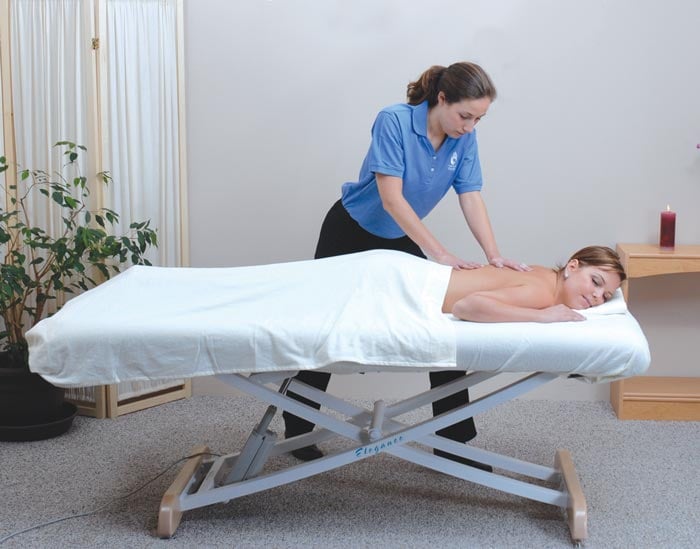
Match table height to your elbow level. Stand relaxed at your normal stance. Bend your elbows about 20 degrees. Adjust the table so the top sits near your forearm level.
A simple check helps. Stand next to the table. Place hands on the surface and let your arms hang naturally. If you need to lift your shoulders, lower the table. If you bend a lot, raise it. This rule answers most questions about what height should a massage table be.
Source: customcraftworks.com
Treatment-specific height guidelines
Different treatments need different heights. Consider these practical ranges.
- Swedish and relaxation massage — mid-range 27 to 30 inches for long strokes and fluid motion.
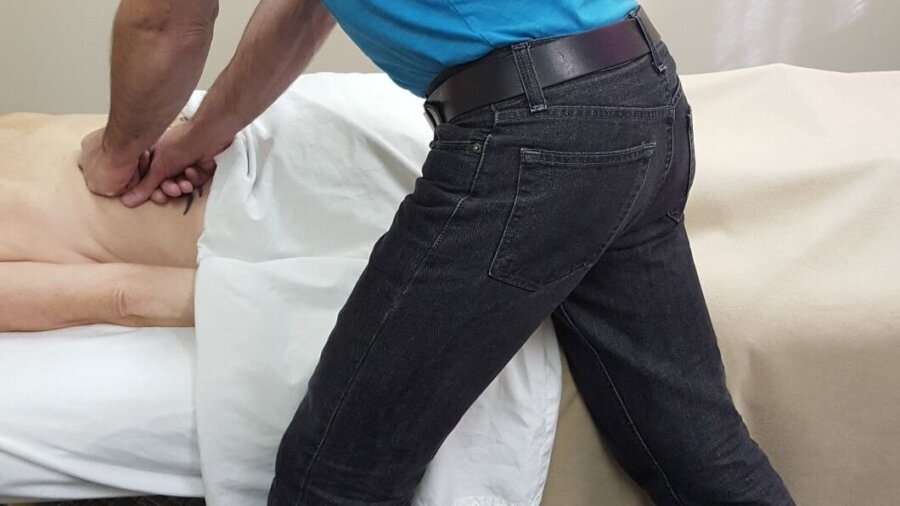
- Deep tissue and sports massage — slightly higher 29 to 33 inches lets you use body weight safely.
- Lymphatic drainage and gentle work — lower 24 to 27 inches keeps light touch and fine control.
- Pregnancy and prenatal work — adjust for client comfort and therapist reach; mid-range usually works.
When wondering what height should a massage table be for a given session, think about pressure type and therapist leverage. Small tweaks help technique and client comfort.

Source: sierracomfort.com
Adjustable vs fixed tables: pros and cons
Adjustable tables give flexibility. They suit multi-therapist clinics and mobile work. Fixed tables are stable and often cheaper.
- Adjustable tables
- Pros: Custom fit for each therapist; good for mixed caseloads.
- Cons: Slightly heavier and may need maintenance.
- Fixed tables
- Pros: Very stable; no mechanism to fail.
- Cons: Harder to accommodate different therapist heights.
If you ask what height should a massage table be for team clinics, go adjustable. For single-therapist studios with one consistent height, a fixed table can work well.

Source: amazon.com
How to measure and set the right height
Follow a step-by-step check. This makes finding the best height simple.
- Wear shoes you will use during work.
- Stand naturally by the table.
- Let your arms hang and bend elbows about 20 degrees.
- Set table top to forearm level.
- Test with typical strokes for 5 minutes.
- Fine-tune by 1-inch steps until it feels natural.
In practice, when I fitted new therapists, a five-minute trial was enough to find what height should a massage table be for them. Keep a note of preferred height for future setup.

Source: naipocare.com
Common mistakes and tips from real practice
Avoid these frequent errors I’ve seen over years of work.
- Choosing height by guess instead of testing.
Try the elbow rule every time. - Using a single height for all treatments.
Change for deep work or gentle techniques. - Ignoring client comfort.
Height affects client access to pillows and bolsters. - Forgetting floor and shoe changes.
Different shoes shift your arm height by inches.
One tip I learned: mark preferred heights with tape. It saves time and keeps posture healthy. That simple habit prevented back pain for many therapists I worked with.

Source: amazon.com
Frequently Asked Questions of What height should a massage table be
What is the best height for a massage table for a tall therapist?
For tall therapists, aim for 30 to 34 inches. Set it at forearm level to avoid bending and to use body weight safely.
Can a massage table be too high?
Yes. A table that is too high forces shoulder elevation. This causes pain and reduces stroke control. Lower the table until your shoulders relax.
How high should a portable massage table be?
Portable tables often adjust from 24 to 34 inches. Choose an adjustable unit and set it to your elbow height for each session.
Should client height affect table height?
Yes. Client size affects comfort and access. Adjust head and leg supports and fine-tune table height if the session requires special positioning.
How often should I adjust the table during a day?
Adjust whenever a different therapist works or when you switch techniques. Small changes between treatments maintain good posture and comfort.
Is there a universal measurement for table height?
No single number fits everyone. The universal method uses your forearm level and a 20-degree elbow bend to find a personal fit.
Conclusion
Choosing the right height saves your body and improves results. Use the elbow-level rule, test with real strokes, and adjust for the treatment and therapist. Small changes make a big difference in comfort and technique. Try the steps here, note your preferred settings, and make a habit of checking height before each session. Share your setup, subscribe for more tips, or leave a comment about what height works best for you.