Choose a massage table that fits your work style, budget, and client needs—focus on stability, comfort, and portability.
I have spent years working with many massage tables in clinics and at home. I know what matters. This guide will walk you through how do I choose the right massage table step by step. You will get clear advice, real-world tips, and a short buying checklist to help you pick a table with confidence. Read on and learn practical tips from hands-on experience and industry best practices.

Core factors to consider when choosing a massage table
Choosing the right table starts with a few big ideas. Think about where you will work most. Think about the types of clients you will treat. Keep these core needs in mind to frame every choice you make about how do I choose the right massage table.
Table types: portable vs stationary
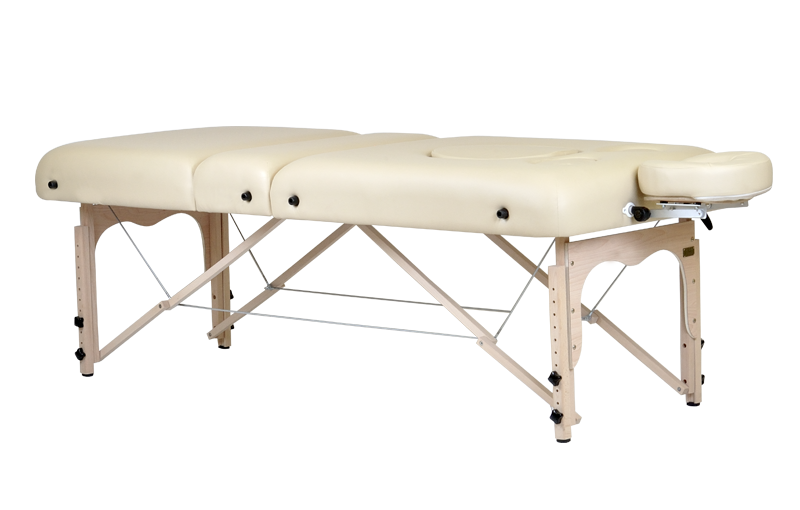
Portable tables are light and foldable. They work well for mobile therapists and small spaces. Stationary tables are heavier but more stable and often last longer. They suit clinics and spas. Match the table type to how you work and travel to answer how do I choose the right massage table.
Frame materials and build quality
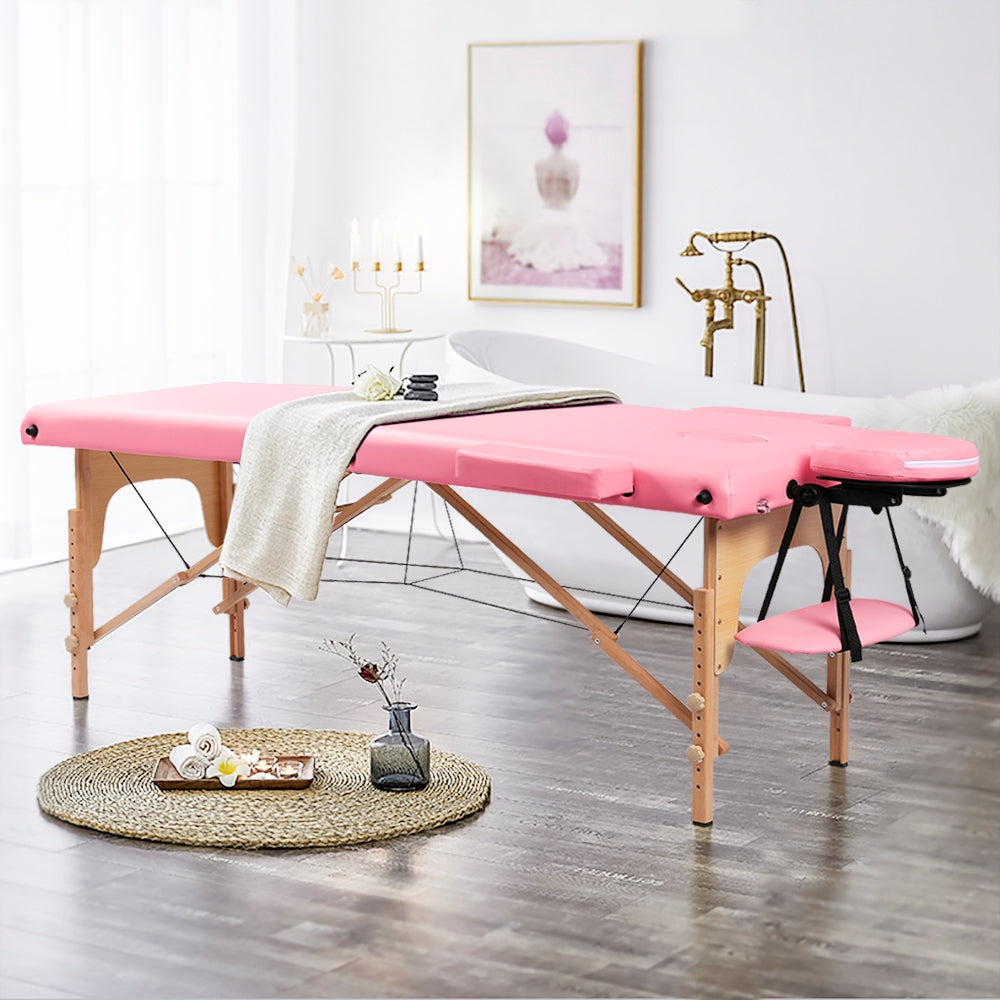
Most frames are wood or aluminum. Wood feels warm and offers a classic look. Aluminum is lighter and resists corrosion. Check joinery and hardware. Make sure legs lock firmly. A good frame supports weight and stays steady during long sessions. This choice is central to how do I choose the right massage table.

Weight capacity, stability, and dimensions
Look for a table with a weight capacity above 500 pounds for safety. Wider tables (28–32 inches) give more working room. Adjustable height helps your posture. Test stability by pressing the sides in a store or at a demo. These specs directly affect comfort and safety when you think about how do I choose the right massage table.
Padding, foam density, and upholstery
Padding affects client comfort and therapist leverage. High-density foam keeps shape under pressure. Thicker padding is nicer for side-lying clients and sensitive bodies. Choose vinyl that is oil-resistant and easy to clean. Check seams and zippers for durability. Good padding answers a key part of how do I choose the right massage table.

Accessories and useful features
Useful add-ons change the table’s value. Common extras include:
- Face cradle and face rest pad for prone comfort.
- Armrests or bolster supports for side-lying positions.
- Carry case for portable tables to protect them in transit.
- Adjustable head sections or drop-sides for special techniques.
Think which features you need daily to narrow your pick and learn how do I choose the right massage table for your workflow.

Portability, setup, and storage
If you move between homes or events, you need a table that folds fast. Check table weight and carry handle comfort. Practice setting it up once before you buy. Small details like strap placement make a difference. These practical checks will help you answer how do I choose the right massage table that fits your routine.
 balancing cost and value”
style=”max-width: 100%; height: auto; border: 2px solid black; border-radius: 10px; display: block; margin: 0 auto;”
loading=”lazy”
/>
Budget: balancing cost and value
Set a clear budget range. Low-cost tables save money but may wear faster. Mid-range tables often hit the best balance of comfort, durability, and price. High-end tables add features and stronger build quality. Think long term; a well-made table can be cheaper per year than replacements. Budget choice is central to how do I choose the right massage table for your needs.
Maintenance, warranty, and hygiene
Look for easy-to-clean surfaces and repairable parts. Vinyl that resists oils and cleaners reduces wear. Check the warranty length and what it covers. Ask about replacement parts like legs or upholstery. These factors build trust and help you decide how do I choose the right massage table that lasts.
My personal experience: lessons and mistakes to avoid
I once bought a very light table to save money. It bent and needed repair after months. I learned that stability matters more than a few pounds saved. Another time I chose a table with thin padding that left clients uncomfortable. After switching to higher-density foam, session comfort rose immediately. These lessons shape my view on how do I choose the right massage table — prioritize stability and padding over small savings.
Quick buying checklist
Before you buy, run this short checklist:
- Confirm weight capacity is suitable for your client base.
- Test stability by applying pressure to all sides.
- Check foam density and overall padding thickness.
- Inspect the upholstery for seam quality and odor.
- Verify height range and adjustability for your posture.
- Ask about warranty and available spare parts.
Use this list to make the final call on how do I choose the right massage table.
Frequently Asked Questions of How do I choose the right massage table
What is the best height for a massage table?
The best height depends on your height and style. Aim for a table that adjusts between about 24 and 34 inches so you can keep a relaxed posture. Choose a height that lets you use body weight, not just arm strength.
Should I choose wood or aluminum for the frame?
Choose wood for a warm look and solid feel. Choose aluminum if you need light weight and travel ease. Both can be strong; inspect build quality.
How thick should the padding be?
Padding between 2 and 3 inches works well for most clients. Higher-density foam retains support longer. Test with a friend to see how it feels.
Is a face cradle necessary?
A face cradle improves comfort in prone positions. It is a must for long sessions and clients who sleep during treatment. Make sure it adjusts easily and has a soft pad.
How often should I replace a massage table?
With regular use, expect to replace a portable table every 3–7 years and a clinic table every 5–10 years. Replace sooner if padding or frame fails. Proper care extends lifespan.
Conclusion
You can make a smart choice by focusing on stability, comfort, and fit for your work style. Test tables when possible and use the checklist above to compare options. Start with your top needs and budget, then narrow choices to durable frames and good padding. Take action: try a demo, ask questions, and pick the table that supports your health and your clients’ comfort. If this guide helped, leave a comment or subscribe for more practical tips on choosing massage gear.