Most massage tables support 450–1,000 pounds, depending on build and design.
I have worked with many massage tables as a therapist and buyer. I know the common limits, the weak points, and the real-world ways people push a table. This article answers How much weight can a massage table hold with clear facts, tests, and practical tips. Read on to learn what the numbers mean, how to test a table, and how to pick the right model for your needs.
Factors that determine weight capacity
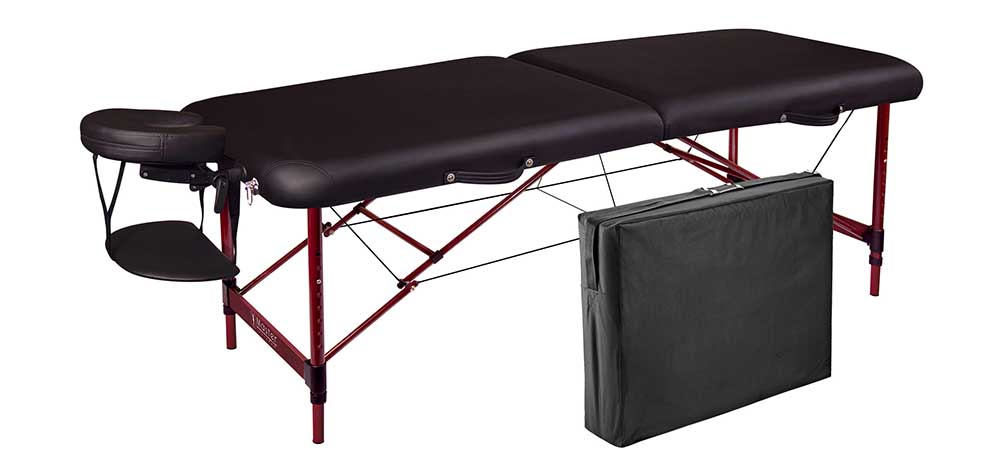
Several simple parts decide How much weight can a massage table hold. The frame material is key. Solid hardwood or heavy aluminum frames usually hold more weight than thin alloys.
Other big factors include:
- Leg design and cross-bracing. More bracing adds strength and stability.
- Connection hardware and locking pins. Poor fittings reduce real capacity.
- Table width and surface area. Wider tops spread weight better.
- Upholstery and padding thickness. Thick padding can hide sag but not add strength.
Manufacturers test tables in different ways. Some give a static weight limit. Others post a working load limit. Know the difference before you trust a number.

Common weight ratings and what they mean
You will see three common ranges when you research How much weight can a massage table hold:
- Portable standard tables: Typically 450 to 600 pounds rated capacity.
- Heavy-duty portable tables: Often 600 to 800 pounds rated capacity.
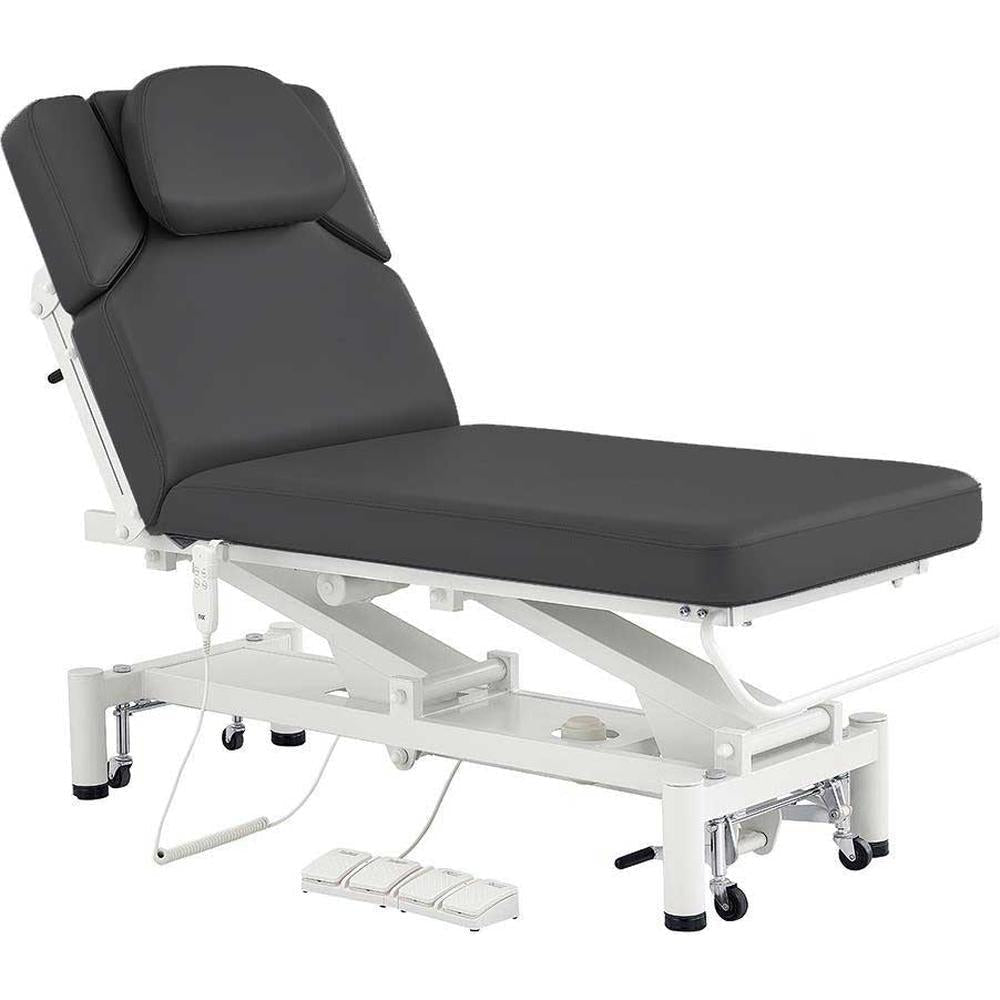
- Stationary and electric tables: Frequently 700 to 1,000+ pounds rated capacity.
Understand that a listed number may be a static load test. Static load means the table held that weight while sitting still. Dynamic loads from movement reduce safe capacity. When a manufacturer lists a capacity, add a safety margin of 20–30% for real use.

Types of massage tables and typical capacities
Different table types answer different questions about How much weight can a massage table hold. Here are common types and their usual ranges:
- Lightweight portable tables. These are easy to carry. Typical capacity 450 to 600 pounds.
- Reinforced portable tables. These use thicker legs or extra braces. Typical capacity 600 to 800 pounds.
- Electric and stationary tables. These have metal frames and motors. Typical capacity 700 to 1,000+ pounds.
- Specialty bariatric tables. These are built for high weight and comfort. Typical capacity 1,000 pounds or more.
When you choose a table, match the capacity to your heaviest client and the type of work. For example, deep tissue work adds force and needs a sturdier table.
How to test and verify capacity — practical steps and personal notes
I once tested a portable table by placing sandbags carefully on the hips and shoulders of a man-sized mannequin. The table held the static weight but sagged when I shifted the load. Here is a safe way to test your own table.
Step-by-step test:
- Inspect the table visually for cracks, loose screws, or bent legs.
- Place even, static weight in the center. Use bags or a weighted mattress pad.
- Watch for sag or unusual noise. Small deflection is normal. Large flex is a concern.
- Add 10–20% more weight than your normal client load for safety testing. Do not exceed the manufacturer’s limit.
- Try a light dynamic test by shifting weight slowly. Look for wobble or slipping locks.
Keep tests controlled and gradual. Never test a new table by jumping on it or using uneven loads. My lesson: a table that looks sturdy can still wobble if leg hardware is loose. Tighten all fittings and retest yearly.

Safety tips and maintenance to preserve capacity
To keep your table holding rated weight, follow these simple habits. Small care steps often extend life and safety.
Key tips:
- Tighten all screws and bolts every month. Loose hardware cuts strength fast.
- Check leg stops and braces before each client. Broken stops cause collapse.
- Avoid storing in damp or hot spaces. Wood and glue degrade with moisture.
- Replace worn parts promptly. Pads and locks are cheap compared to a new frame.
- Mind the center of gravity. Place heavy clients near the center of the table.
- Use a protective mat under heavy loads during testing.
My real-world tip: mark the date you last tightened hardware. It saves time and prevents surprises.

Buying guide — choose the right capacity for your needs
When shopping, ask the right questions. The answer to How much weight can a massage table hold starts with your clients and style of work.
Ask the seller:
- What is the static and working load limit?
- How was the table tested?
- What materials and leg design are used?
- Are replacement parts available?
Choose by use:
- Home use with light clients: a 450–600 pound table is often fine.
- Clinic use with mixed clients and deep work: aim for 600–800 pounds.
- Heavy or bariatric clients: choose 800–1,000+ pounds or a dedicated bariatric table.
Consider warranty and service. A strong warranty shows the maker trusts their product. I once switched brands after a table failed early. The new maker honored the warranty and the replacement has been reliable.
Frequently Asked Questions of How much weight can a massage table hold
What is the difference between static weight and working load?
Static weight is the total weight held while still. Working load is the safe weight during use, which is lower to allow for movement and leverage.
Can I increase a table's capacity with upgrades?
You can add braces, replace legs, or use stronger pins. Upgrades must be rated and installed properly to be safe.
Are electric tables stronger than manual ones?
Many electric tables use metal frames and motors and tend to have higher capacities. But always check the specs rather than assume.
How often should I inspect my massage table for wear?
Inspect before each day of work and do a deeper check monthly. Tighten hardware and replace worn parts as needed.
Is there a universal standard for massage table capacity?
There is no single universal rule that every maker follows. Rely on manufacturer specs, testing info, and independent reviews.
Conclusion
Knowing How much weight can a massage table hold keeps clients safe and your work steady. Match the table to your clients, test it carefully, and maintain it regularly. Small checks and the right buy decision make a big difference. Take a moment now to note your table’s rated capacity, tighten its hardware, and plan any upgrades. If you found this useful, leave a comment or subscribe for more practical guides on therapy gear and safe practice.